

How a whole-house clearance runs
Most people arranging a clearance are doing it for the first time, for a house that was a parent's, in a week that already holds too much. This page walks the whole thing through in advance, start to finish, so none of it arrives as a surprise. Nothing here asks you to hurry.
 The one rule everything else hangs off: nothing leaves the house until it has been set aside, checked and agreed.
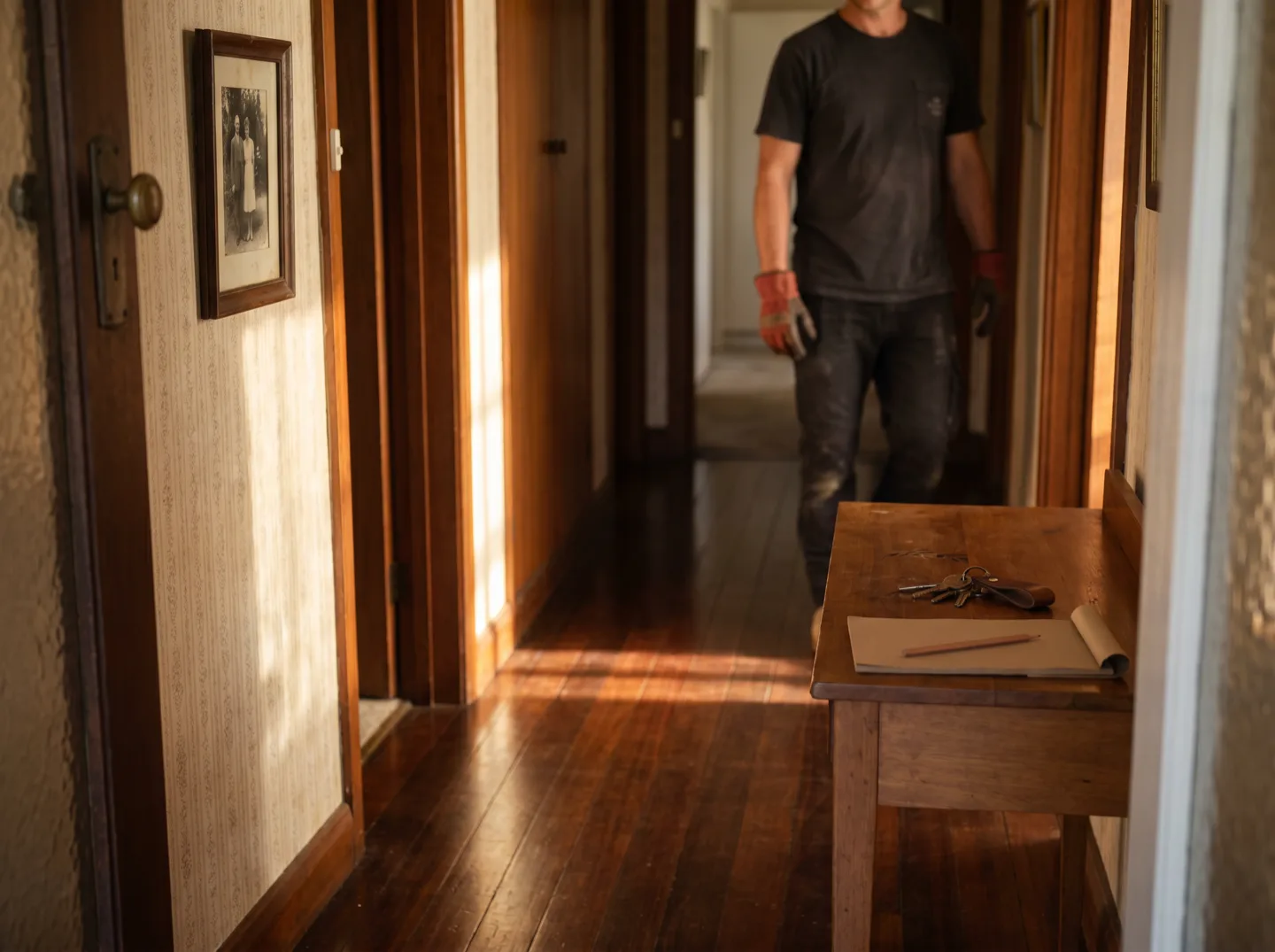
If you're reading this early, that's the right time
Plenty of people read this page weeks or months before they're ready to ring anyone, sometimes while probate is still working itself out, sometimes just to understand what the job even involves. That's exactly what it's for. Reading ahead counts as preparation, and there's nothing you need to do to the house first: don't tidy it for us, don't pre-sort it, don't apologise for it. Houses that have held a family for forty years are supposed to be full.
The walkthrough below is written for the person doing the arranging, often an adult son or daughter, often between other arrangements, sometimes from another state. Where a step works differently if you're not in Sydney, it says so as it goes.
Before anything moves
The first three steps happen with the house exactly as it is. Nothing is lifted, nothing is decided that can't be un-decided, and you can stop after any of them without owing anyone anything.
The first conversation
A short call or a note through the form: where the house is, roughly what it holds, and whether any dates exist yet, an agent's, a solicitor's, or none at all. That's the whole list. You won't be asked for an inventory, a decision about any single object, or anything you don't know yet. Most people know far less at this point than they think they should, and that's normal.
Walking the house together
One visit, at the house if you're in Sydney, on a video call if you're not. You lead the walk and talk as much or as little as you like: what the house was, which things are spoken for by family, what you're unsure about. We ask questions quietly and take notes. Nothing gets counted out loud, nothing gets appraised in front of you, and nothing you say commits you to going ahead.
The plan, on paper
After the walk you get a written plan: which rooms in which order, what gets set aside for the family, what's offered on to charity, what leaves as waste, and the days it would take. It's on paper deliberately, so the sister in Perth and the brother who couldn't be there read exactly the same words, and any disagreement happens before the work, not during it. The practical side is settled in writing here too, before anything begins, and none of it runs by the hour. Nobody should be watching a clock in a parent's house.
The set-aside room
Before any clearing starts, one room in the house is chosen and everything that might matter is gathered into it: the albums and the loose photographs, the letters and deeds, the jewellery box, the drawer every house has where the paperwork lives. Anything a family would want a say over goes in. The room runs on four rules, and they don't bend for schedules, agents or trucks.
The set-aside pass happens before a single general load is touched. The things that matter are safe before anything else moves.
Anything found during the clearing that gives anyone pause goes in. Unsure always means in. Nothing ever moves the other way without you.
If something personal or valuable turns up mid-clearing, that spot stops. The item goes to the room, and if you're interstate or simply not there, a photo of it reaches you before the day is out.
The room waits, exactly as gathered, until the family has been through it, in person or by photograph, at whatever pace the going-through takes.
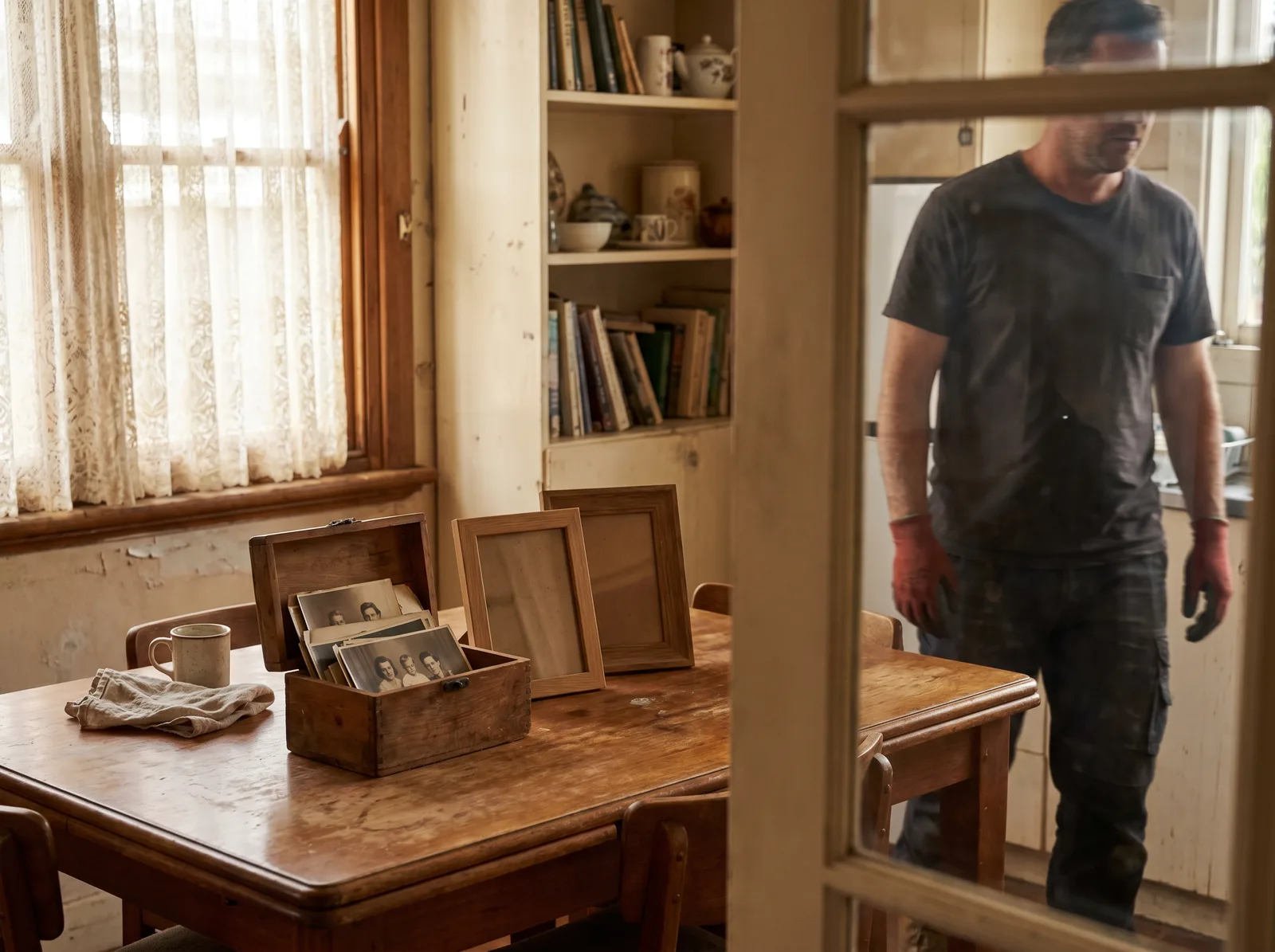
What a clearing day is actually like
The days themselves are quieter than most families expect. The crew arrives at the time the plan names, works the rooms in the order you chose, and the house stays a house while it happens: no skip on the front lawn announcing things to the street, no radio, nothing dragged, nothing tipped out to sort it faster.
A room is worked one object at a time. Furniture with use left in it goes to the offered-on pile, the fridge and the televisions are set apart for their own regulated routes, and anything that gives the crew a moment's doubt crosses the hall to the set-aside room instead of taking the shorter walk to the truck. Slower, done that way. Also the only way we're willing to do it.
You can be there for all of it, some of it, or none of it. Families who stay tend to settle in one room with the kettle; families who can't be there get photographs at the end of each day, so the house's progress is never a mystery. And if being in the house gets hard partway through a day, the day ends early. That's not an inconvenience to be managed around. It's in the plan from the start.
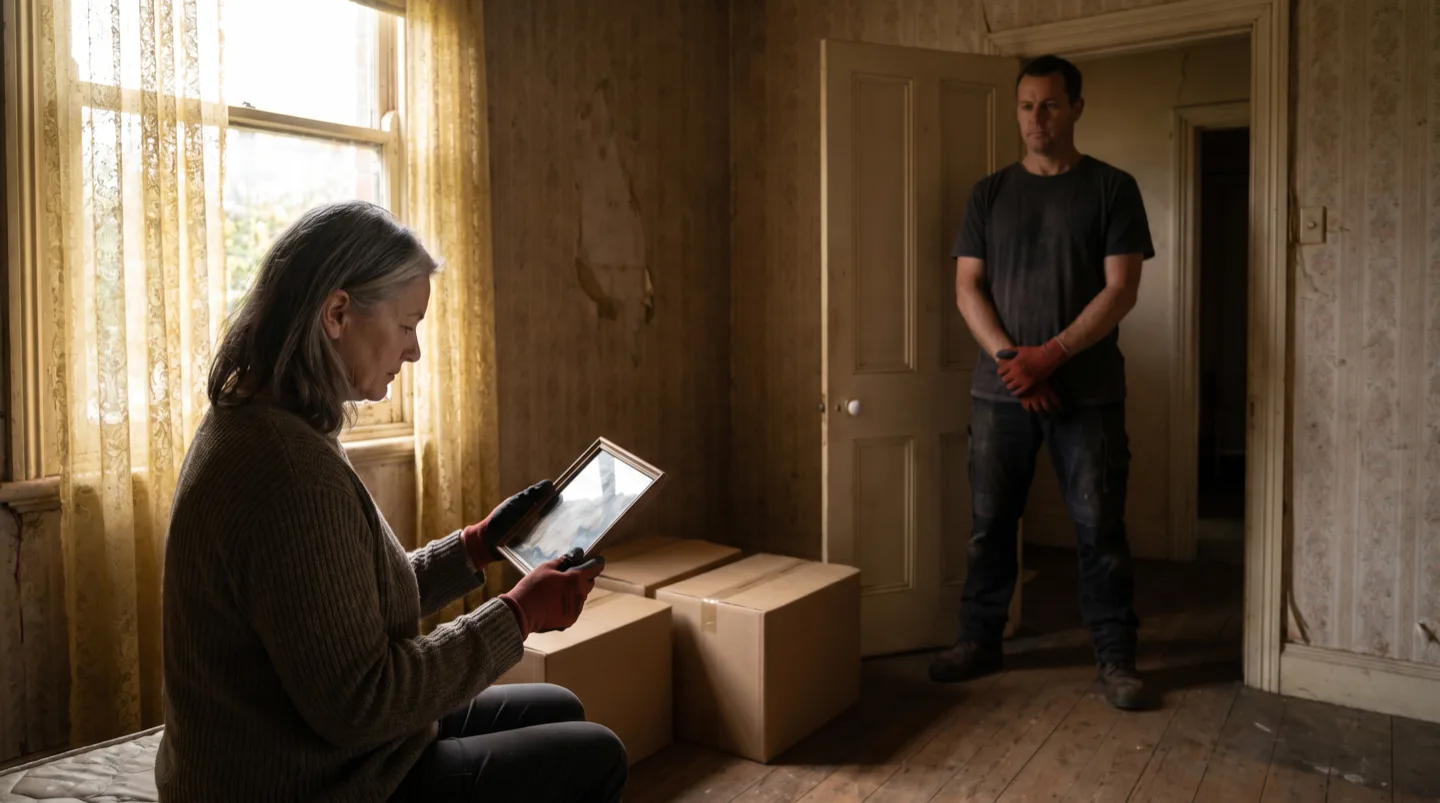
Your decisions, our work
Every decision in a clearance belongs to the family. Every bit of labour belongs to us. Written out, the split looks like this.
| Yours to decide | Ours to carry |
|---|---|
| The order the rooms are cleared, and when the days run | All the lifting, carrying, sorting and loading, however many trips it takes |
| What matters, what's offered on, and what goes | Gathering the set-aside room, and photographing it if you're away |
| Every maybe, revisited whenever you're ready | Being straight about what the charities will and won't accept, before anything is promised a second life |
| The pace, including stopping altogether | The regulated routes for whitegoods and e-waste, and the tip runs for what's genuinely finished |
| Who holds the keys, and who gets them back | The sweep-out, the written record of what was done, and leaving the house quiet |
The one thing we never carry is a judgement call that belongs to the family. Valuing things isn't our trade and we won't pretend it is: anything that deserves a professional eye gets named plainly and goes to the set-aside room, not to a guess.
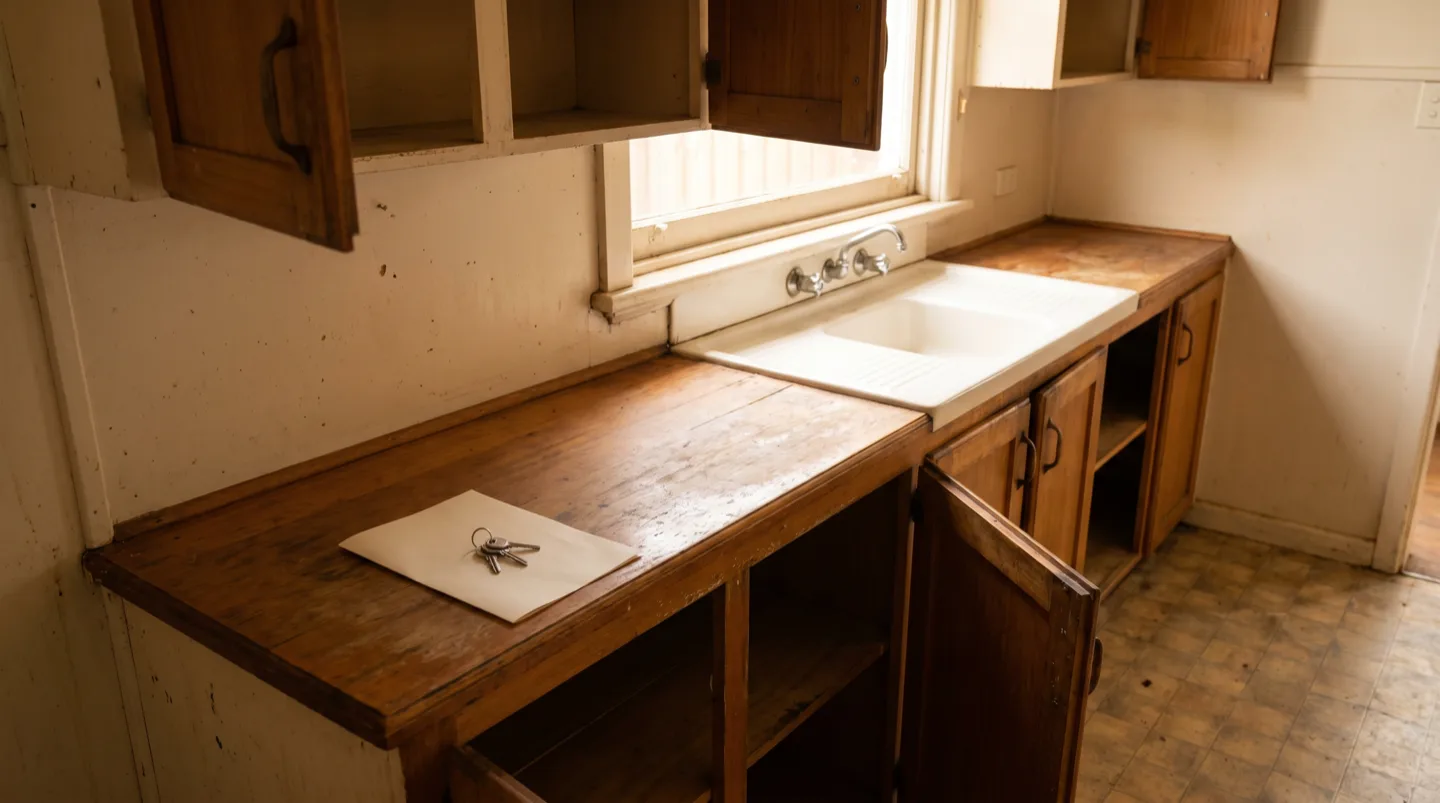
How the house is left
The end of a clearance is deliberately undramatic. The floors are swept, the cupboard doors are left open so anyone checking can see they're empty, and the keys go back to whoever should hold them: you, the agent, the solicitor. With them goes a short written record of what was done and when, and where each kind of load went, for whoever is keeping the file.
What doesn't happen is any kind of erasing. The pale rectangles where pictures hung stay on the walls, and the house is allowed to look like somewhere a family lived. If it's heading to sale, it's ready for the photographer. If it just needs to sit quiet for a while, it can do that too.
None of it expires
Clearances run on family time, not truck time, and family time is irregular. Probate takes the months it takes. A sibling needs to fly in before anything can be decided. The house might simply need to stand as it is for a season before anyone can face it, and houses are good at standing.
So nothing in this walkthrough has a use-by date. The walk through the house can happen now and the clearing months later. A plan that was agreed in autumn still holds in spring, and if the family's thinking has changed by then, it gets rewritten to match, not enforced as written. We'd rather re-plan a job three times than have a family feel that ringing us started a clock.
Asked quietly, answered plainly
Can we plan the clearance before probate is finished?
Yes. The walk through the house and the written plan don't move anything, so they can happen whenever suits the family, and many people find having the plan settled makes the waiting easier. The clearing itself starts only when you say the legal side is ready for it. If a solicitor is involved, we're used to working in with them.
What if the family doesn't agree about some things?
Then those things go to the set-aside room and wait there, however long the conversation takes. We don't referee, we don't nudge, and we don't need the disagreement resolved to keep working on everything that is agreed. The room only grows, and it empties only through the family's hands.
Will the whole street know what's happening?
Not from us. There's no skip sitting on the front lawn for a fortnight, everything goes straight onto the truck, and the work is over in days, not weeks. From the footpath it looks like what it is: a quiet, tidy job, done and gone.
What about the shed, and the old tins in it?
Sheds and under-house spaces are part of a whole-house job, and houses of this age usually keep a shelf of old paint, garden chemicals and mystery bottles. Those are named for their own licensed disposal routes rather than hidden in a general load. If anything looks like asbestos, that spot stops entirely: it stays undisturbed, you get a photograph, and that one corner becomes a licensed asbestos contractor's job while the rest of the clearance carries on.
Do you buy things, or tell us what they're worth?
No, and it's worth being clear why: a crew that buys from the houses it clears has an interest in your decisions, and we'd rather not have one. We're not valuers either. When something looks like it deserves a proper eye, an auction house, a dealer, a jeweller, we say so and it goes to the set-aside room until you've had it looked at by someone whose only job is the looking.
Is this different from an ordinary rubbish pickup?
Completely, and we treat it that way. An ordinary pickup is about speed: the pile, the truck, the swept space, often the same day. A clearance is about care and order: the set-aside room first, rooms in the family's sequence, decisions at the family's pace. Same crew, opposite clock. If what you actually need is the ordinary kind, that service is here and there's no wrong door between them.
When you're ready, or just wondering
If this walkthrough has answered enough to think about, that's a fine place to leave it, and the page will still be here later. If it's raised a question about your family's particular house, ask it. A question costs nothing, commits you to nothing, and gets answered plainly by the people who'd be doing the work.
Your note goes straight to the crew, and we reply on the number or email you leave. If you're arranging things from interstate, the service page covers how a clearance works from a distance.